
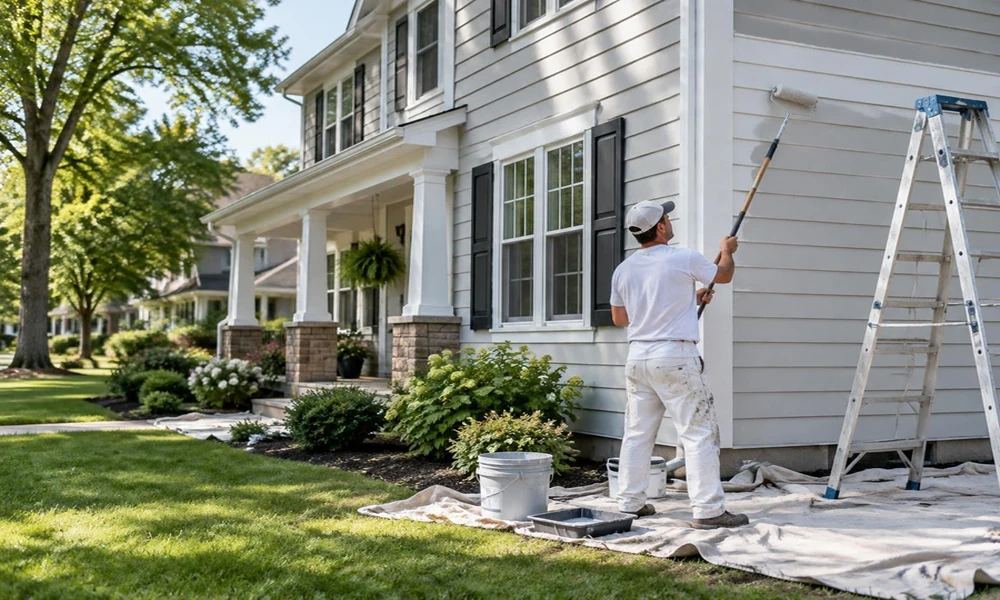

A freshly painted home can look beautiful, but appearance alone does not determine how long the finish will last. Exterior paint is constantly exposed to sunlight, moisture, temperature changes, and everyday wear. When underlying problems are ignored, even a carefully chosen color and quality paint may fail sooner than expected.
Peeling, cracking, fading, and bubbling often develop because of conditions that existed before the first coat was applied. Understanding these problems can help homeowners protect exterior surfaces, avoid unnecessary repainting, and make better maintenance decisions.
1. Poor Surface Preparation Can Ruin a Paint Job
One of the most common reasons exterior paint fails prematurely is inadequate surface preparation. Paint needs a clean, stable, and properly prepared surface to adhere effectively.
Dirt, loose paint, chalky residue, and deteriorated finishes can interfere with adhesion. Applying new paint directly over these materials may create an attractive finish initially, but problems can develop as the underlying coating separates.
Before repainting, homeowners should examine exterior surfaces for:
- Loose or peeling paint that requires removal
- Dirt, mildew, or other surface contaminants
- Cracked or deteriorated caulking around openings
- Damaged wood, siding, or trim
- Areas requiring sanding, patching, or primer
Preparation methods depend on the siding material and its condition. For example, previously painted wood may need scraping and sanding, while other surfaces require different cleaning and priming methods.
The goal is not simply to make the surface look clean. It is to create a sound foundation for a durable finish.
2. Moisture Problems Can Cause Peeling and Bubbling
Water is one of the biggest threats to exterior paint performance.
Moisture can enter siding and trim through leaking gutters, damaged caulking, poorly sealed joints, or deteriorated building materials. When moisture becomes trapped beneath a painted surface, it can contribute to bubbling, blistering, or peeling.
This is particularly relevant in coastal communities, where rain, humidity, and wind-driven moisture can create challenging conditions for exterior building materials.
Homeowners should inspect areas where water commonly collects or enters, including window frames, door trim, roof edges, and the lower sections of siding.
Visible peeling around these locations may indicate a moisture issue rather than a problem with the paint itself.
Repainting without addressing the water source can allow the same damage to return. Repairing leaks, improving drainage, replacing damaged materials, and allowing surfaces to dry appropriately should come before applying a new finish.
3. When Professional Painting Makes More Sense
Some painting projects are manageable for homeowners with the right tools, experience, and preparation time. However, larger projects or surfaces showing extensive deterioration may require additional expertise.
For homeowners comparing options, understanding the services offered by a painting company Suffolk County residents can contact is one way to assess whether professional surface preparation, exterior repairs, and repainting can be handled as part of a coordinated project.
This consideration becomes especially important when exterior painting involves damaged trim, difficult-to-access areas, multiple siding materials, or recurring paint failure.
Before hiring a contractor, homeowners should ask how the surfaces will be inspected and prepared. It is also useful to clarify whether the estimate includes scraping, sanding, priming, caulking, and minor repairs.
A detailed written scope helps prevent misunderstandings about the work being performed.
Homeowners should also discuss the type of coating being recommended, how weather conditions will affect scheduling, and whether existing moisture or structural problems need separate attention.
Choosing a contractor should involve evaluating the proposed process rather than relying entirely on price.
4. Weather Conditions Affect Paint Performance
Exterior painting requires suitable environmental conditions during application and curing.
Painting when surfaces are wet, temperatures fall outside the manufacturer’s recommended range, or rain is expected too soon can interfere with the coating’s performance.
Excessive heat and direct sunlight may also create challenges by causing paint to dry too quickly during application.
The appropriate painting window depends on the product, surface temperature, humidity, and expected weather.
Homeowners should avoid assuming that every warm or sunny day is automatically suitable for exterior painting.
For properties in Suffolk County and other parts of Long Island, seasonal planning should account for changing temperatures, coastal weather, and periods of increased humidity.
Following the manufacturer’s application and drying instructions is more reliable than choosing a date based on convenience alone.
5. Using the Wrong Paint or Primer Creates Problems
Not every exterior coating is appropriate for every building material.
Wood, masonry, metal, and different siding products have distinct preparation requirements. The condition of the existing finish also matters when selecting compatible primers and topcoats.
For example, a coating that performs well on properly prepared wood may not be the best choice for another surface without specialized preparation.
Primer can improve adhesion, support more uniform coverage, and help address specific surface conditions when used correctly.
However, applying primer is not a substitute for removing loose paint or repairing damaged materials.
Homeowners should review product recommendations for the exact surface being painted and avoid choosing materials based solely on color or price.
6. Regular Maintenance Helps Prevent Premature Failure
A successful exterior paint job still requires periodic attention.
Routine inspections help homeowners recognize developing problems before they become extensive.
Look for cracking around trim, peeling near gutters, damaged caulking, discoloration, and areas where moisture may be accumulating.
Gentle cleaning can remove dirt and surface buildup, provided the method is appropriate for the siding and coating. Aggressive cleaning methods can damage paint or force water behind exterior materials.
Small maintenance tasks, such as repairing failed caulking or correcting drainage problems, can help protect painted surfaces.
It is also worth checking shaded sections of the home, exposed trim, and areas receiving significant sunlight because different elevations may age at different rates.
Documenting changes with photographs can make it easier to monitor recurring issues.
Conclusion
Exterior paint failure is not always caused by poor paint quality. Inadequate preparation, trapped moisture, unsuitable weather, incompatible materials, and neglected maintenance can all contribute to a finish deteriorating earlier than expected.
Homeowners can reduce avoidable problems by inspecting surfaces carefully, addressing underlying damage, selecting appropriate products, and following proper application practices.
Whether repainting a small section or planning a complete exterior refresh, prioritizing preparation and preventive maintenance helps protect the home’s appearance and exterior materials over time.

