
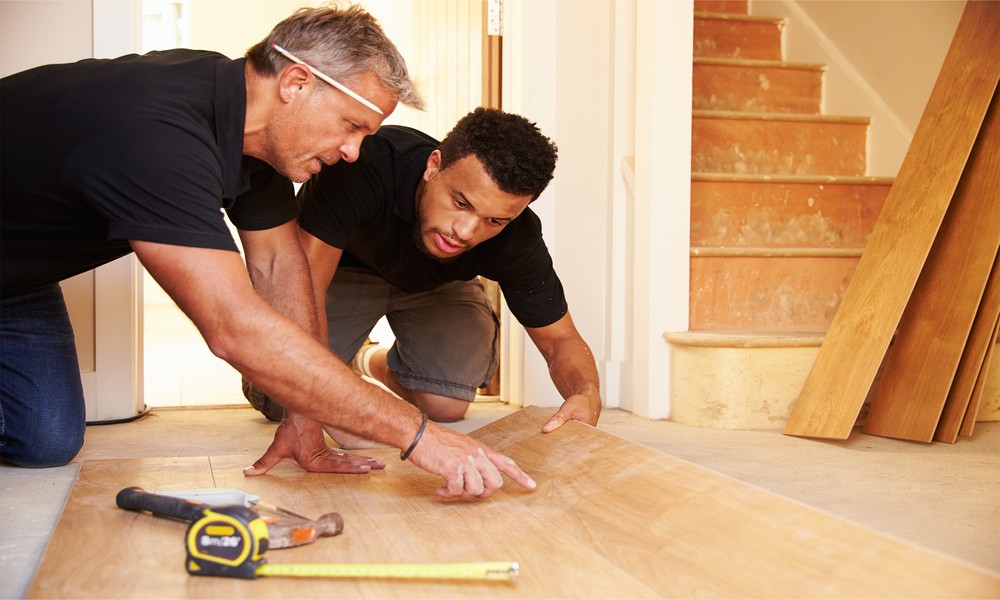

Nothing transforms a room quite like genuine hardwood underfoot. The warmth, character, and lasting value of wood floors are hard to match with any other material. Yet, before you leap into the world of planks and finishes, there’s a lot to weigh, choices that can determine not just how your floors look, but how they hold up through years of life’s ups and downs.
Understanding Hardwood Flooring Types and Materials
Choosing the right hardwood means more than picking your favorite shade. The first major decision: solid versus engineered hardwood. Solid hardwood is exactly what it sounds like, each plank is milled from a single piece of wood, typically 3/4″ thick, allowing it to be sanded and refinished repeatedly. Engineered hardwood layers a thin hardwood veneer over plywood, providing more resistance to moisture and temperature swings, but usually fewer opportunities for refinishing.
Among the most sought-after wood species are Canadian maple, red oak, and birch. Maple offers a clean, subtle grain and is often lauded for its strength. Red oak is a classic, rich in visible grain, while birch brings a softer, more rustic aesthetic. Each species has its own approach to durability and appearance. For example, maple is known for being hard and dent-resistant, making it a favorite in high-traffic homes.
The finish you choose matters, too. Smooth finishes deliver a contemporary look, while distressed or hand-scraped textures can disguise everyday wear and add character. Matte finishes have surged in popularity for their modern, understated elegance, but glossy options remain a staple for those who love shine.
Preparing Your Home for Hardwood Installation
Preparation will make or break your installation experience. Start by evaluating your subfloor. Is it flat, clean, and dry? Hardwood needs a stable foundation, as even slight imperfections can lead to noisy or uneven planks later. Moisture is the enemy of wood; use a moisture meter to ensure levels are in the safe range before proceeding.
Acclimation is not negotiable. Wood needs to sit in your home for several days, adjusting to the ambient temperature and humidity. Skip this step, and your planks could warp or gap after installation.
The right tools streamline the process. You’ll need a saw, nailer or stapler, spacers, and appropriate adhesives if you’re not nailing. The method you pick, nail, glue, or floating, should suit both your wood choice and your subfloor. Nail-down is standard for solid hardwood over wood subfloors, while glue-down or floating methods are common for engineered products or over concrete.
Cost Considerations and Budget Planning
Hardwood floors are an investment, but knowing where your money goes can prevent budget surprises. Prices vary widely by species and grade; for example, Canadian maple and red oak often start around $4.69 per square foot, especially when sourced locally. However, grades like “Select and Better” command higher prices due to their uniform appearance.
Factor in more than just the planks. Underlayment, which can improve comfort and acoustics, adds to the total. Delivery fees, especially for larger loads, and the cost of labor if you opt for professional installation, should all be included in your calculations.
Here’s a quick price comparison:
| Wood Species | Typical Price (per sq. ft.) | Grade/Finish Options |
|——————|—————————–|——————————-|
| Maple | $4.69 – $6.20 | Select, Bistro, Nuance, Matte |
| Red Oak | $4.69 – $5.39 | Bistro, Legacy, Character |
| Birch | Similar to Maple | Classic, Natural |
DIY installation saves on labor, but mistakes can be costly and time-consuming. Weigh your skills honestly against the peace of mind a professional brings. Remember, a quality install boosts long-term value and minimizes future repair costs.
Maintenance, Care, and Longevity of Hardwood Floors
The best floors are those you don’t have to tiptoe on. Routine sweeping and occasional damp mopping (never soaking) keep dirt at bay and protect the finish. Each finish, matte, semi-gloss, or high-gloss, comes with its own care recommendations.
Scratches and dents happen, but they’re not a death sentence for your investment. Solid hardwood can be sanded and refinished multiple times; just be sure to consult the manufacturer’s recommendations for sanding thickness. Climate also plays a role. In areas with dramatic humidity swings, like Montreal, expect some seasonal expansion and contraction. Humidifiers or dehumidifiers can help maintain optimal conditions.
Environmental and Health Factors to Consider
Sustainability isn’t just a buzzword, it matters. Look for wood sourced from responsibly managed forests and certifications such as FSC. Low-VOC finishes keep your indoor air safe, especially for those with allergies or sensitivities. Acoustic underlayment does more than soften your step; it can significantly reduce noise transfer between levels, a welcome benefit in busy households.
Choosing a Supplier and Installer You Can Trust
A reputable supplier stands behind their products with clear warranties and transparent policies. Seeing samples in person, even walking on them in a showroom, can help you avoid disappointment once the floor is laid. Before hiring a contractor, ask about experience, installation methods, and aftercare support. Reliable customer service, easy returns, and expert advice are markers of a supplier you’ll want to work with.
Trends and Design Inspirations for Hardwood Flooring
Today’s homeowners are leaning into wider planks (4 to 4¾ inches) for a more spacious feel. Blending hardwood with tile or luxury vinyl in entryways or mudrooms is a growing trend for function and flair. Earthy tones, matte finishes, and subtle textures like wire-brushed or hand-scraped looks are setting the pace for interiors of all styles.
With proper preparation and informed choices, hardwood flooring can elevate any home, not just in beauty, but in value and comfort for years to come.

